Retr0bright Support Thread

  • Thread starter Thread starter gazcbm
  • Start date Start date
  • Replies Replies 1053
  • Views Views 419001
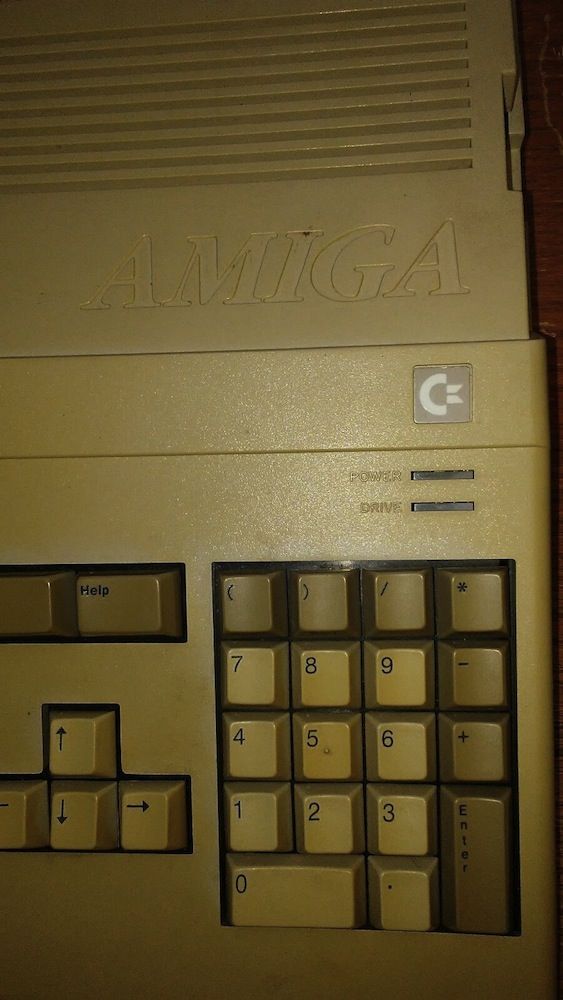
I used Salon Care 40 creme on this A500 case (which was only mildly yellowed to begin with), never letting it dry out, no saran wrap or anything, under blacklights for a few hours, it looks terrible: http://i.imgur.com/bE3Y3ER.jpg

Is there any to fix this or is my case now permanently damaged?

Edit: I should note that it was not apparent it was turning out like this when I was periodically checking on it. It looked perfectly fine even when I washed it off while it was wet. Once I dried it the damage became apparent. So I guess a warning, don't trust how it looks from just wiping off some creme, wash it completely and dry it.


you apply it with a brush? ,if so just do it again
 
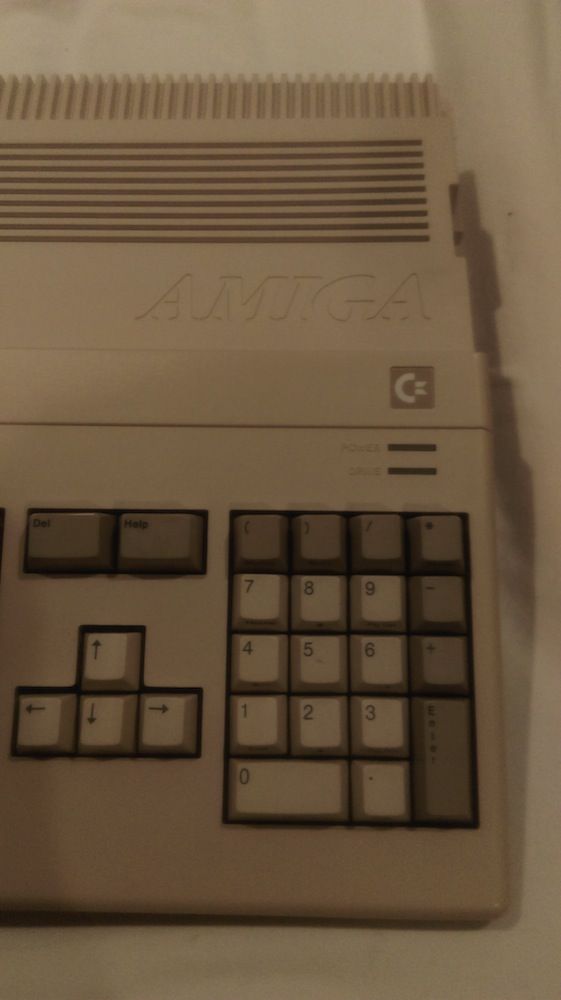
I used the same product on my A500 that jpolo did, but instead I used plastic wrap and sun light. Is the "Swirl effect" that discoloration around the Commodore logo on jpolo's machine? I'm still not too sure of the problem there. Anyways, here's my Retrobrighted a500.

Before
s-l1600.jpg


After
33.jpg
 
Retr0bright Support Thread

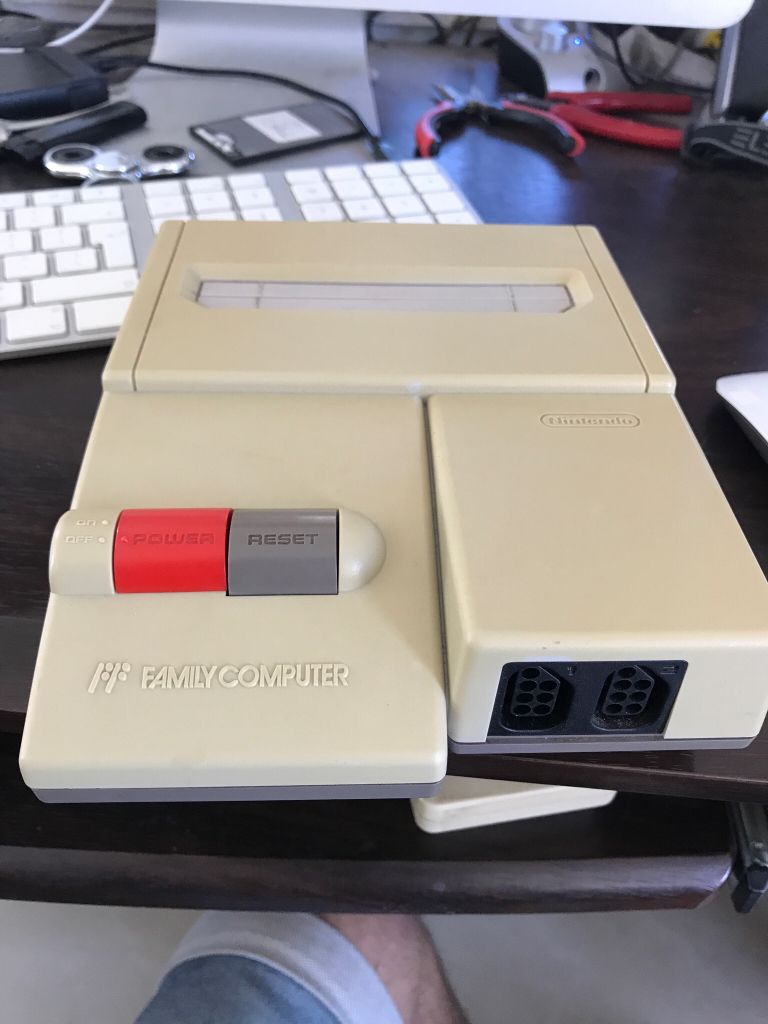
Arrived from Japan

2e8a7beb3399e1a29899ea6613ee273b.jpg


After a clean

0334df0e61f92df561240d6b89ed4974.jpg


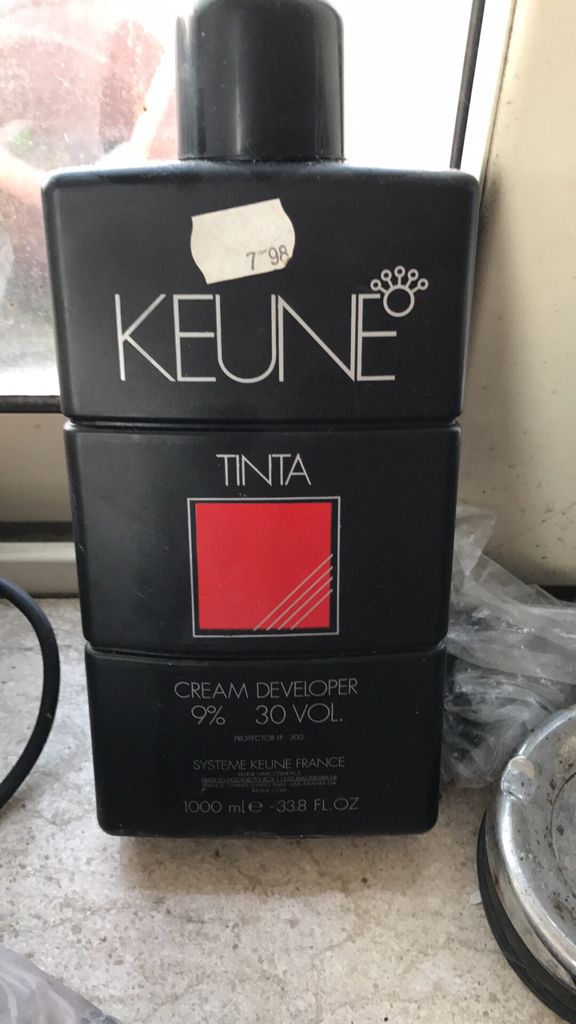
Add this and some (lots) sun

071d38a73eba99d5fd597cae060a5366.jpg


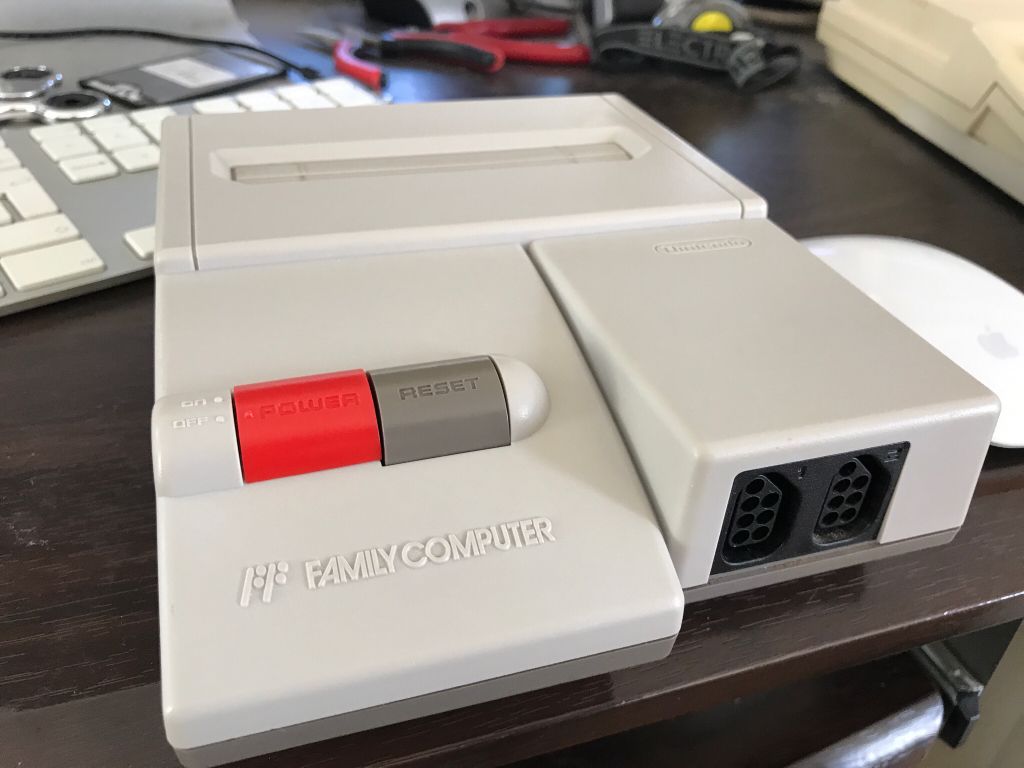
Result

99b5efae0a01cb847afafa2bda9cd49a.jpg
 
Last edited:
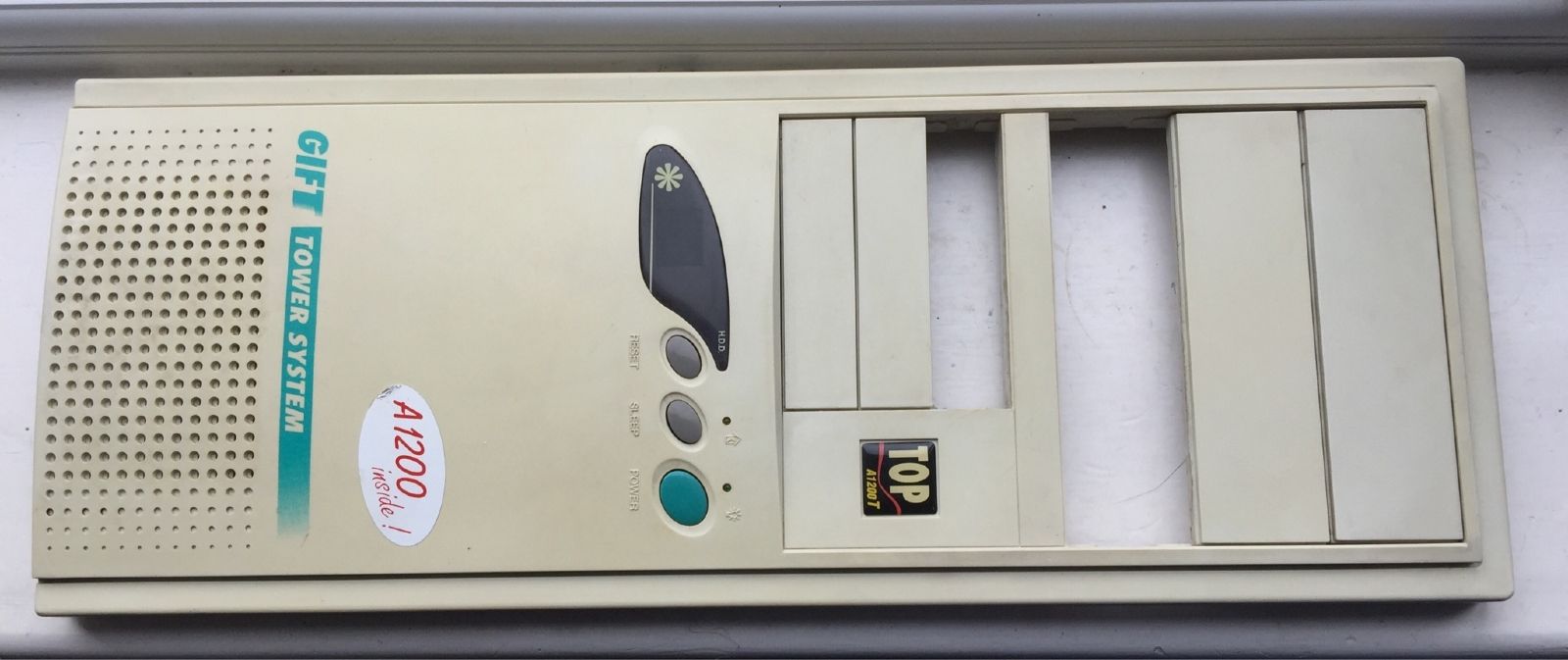
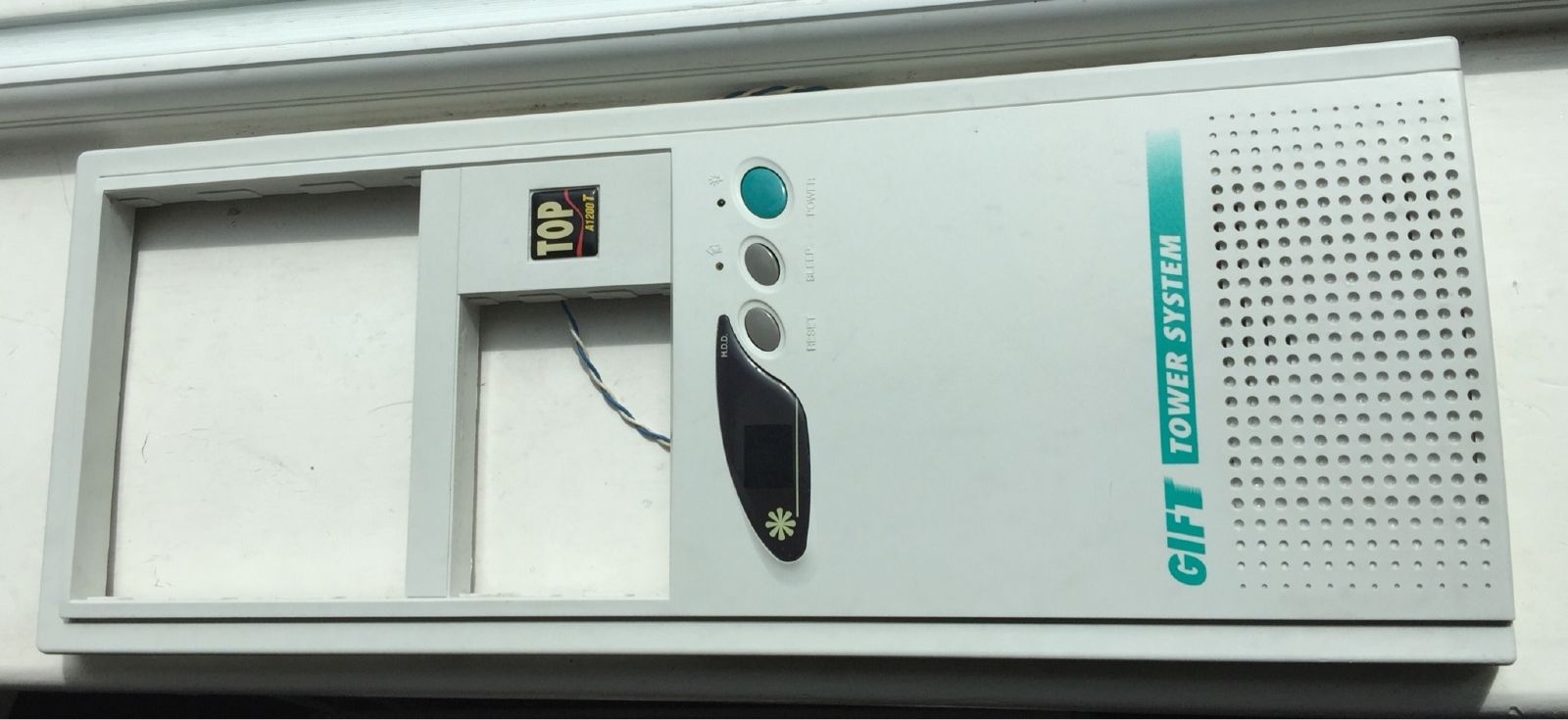
Just done this gift tower facia

Originally looked like this

6d0da553161997b32b14c31fd1c57c6b.jpg


Now looks like this

bc618db207724fe050b62d1500d7a8ef.jpg


And I use this product (below) and clingfilm plus the good old Sun

6b80c4d541c2581af6b205b26cb6ad2d.jpg
 
Last edited:
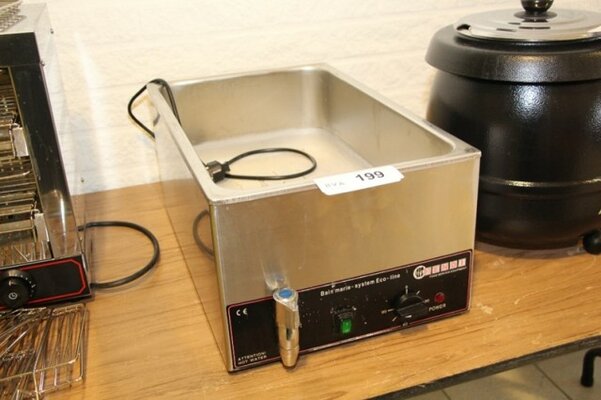
I decided to go for some Retr0bright testing myself...i watched the 8bit guy on youtube with some comparison of different cleaning methods. Decided that the peroxide with heat (70 degrees Celsius) is the one I'll try experimenting with. So I bought a 'chafing dish' (not quit sure if that's the correct English translation) and 12% peroxide to test with.
199.jpg


Are there more people experimenting with the peroxide and just heating the housings?

Things i'm trying to find out:

  • Can we mix water with the Peroxide, of should i use just the Peroxide
  • Will the casings evenly be brighted if both steady underneath the surface
  • Can I, and how many times, reuse the Peroxide solution
  • How to keep the casings below the surface without creating how spots which are less clean (where there is contact between the casing parts)
  • Can I keep temperature be at a steady 70 degrees Celsius
  • What duration is best, the stated 4hr?

Looking forward to do some experimenting!

Frank
 
Notice that hydrogen peroxide will cause most metals to oxidize very rapidly so you might not want to keep it in a metal container like that device you show on the picture.
 
Ah, ok, didn't know that. I guess i should use some plastic foil to protect the unit and container? Will try to find out if there is sticky foil which can take heat up to 70 degrees?
 
Any kind of foil that is meant to be used in the oven should easily handle 70 deg. But I wouldn't trust a cling-film foil to not break and leak..
 
For quite some time I have had a theory about the causes of uneven or chalky results when retrobriting plastic items. These basically boil down to two causes.

1: Uneven application of the Retrobrite mixture, especially if applied in the form of a paste and even more so if cling wrap is applied to prevent drying.

2: The plastic surface is already damaged. By this I mean that the exposure to heat/light/oxygen that discoloured the plastic in the first place also affects the physical and chemical properties of the plastic, causing the uneven results.

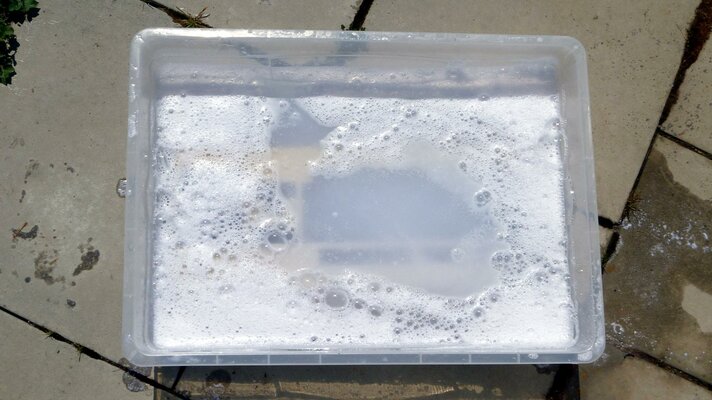
For a long time, I had prevented the first problem from happening by completely submerging the item in a tray containing a laundry whitener solution containing sodium percarbonate. An example of which is shown on the left.
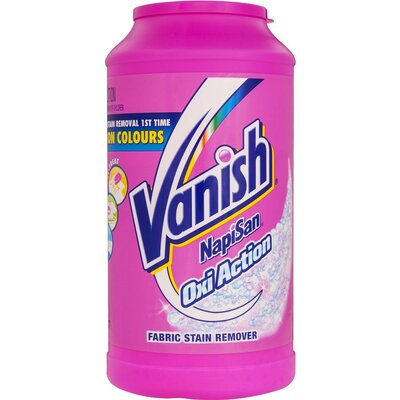
Vanish.jpgSoaking.jpg
In the picture on the right, I'm soaking the top of a VIC-20 case that had been heavily yellowed. I used a shallow tray large enough to hold the entire item. Enough water to completely submerge the item was added, and a cup of the laundry whitener was added and stirred in. The item may need to be weighed down to ensure full immersion. The tray was then left in the sun for a few hours, stirring occasionally. With the harsh Australian sun, I was able to get full results within 3 hours. On a cloudy day, it took longer. I am of the opinion the milky solution actually helps disperse the UV light, helping to give an even result. The suds on the surface had no effect on how even the results were. In any case they dispersed after a while.

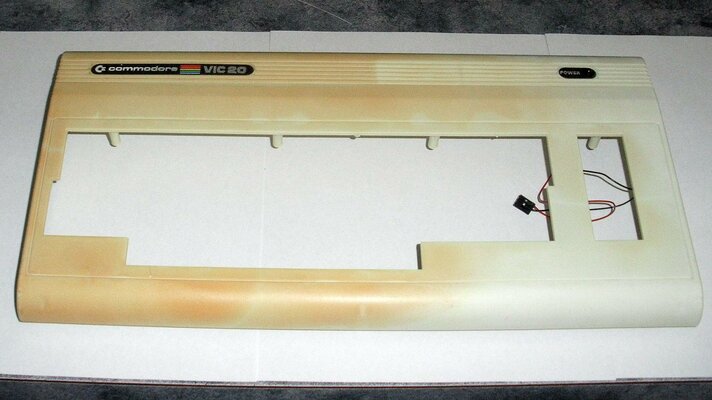
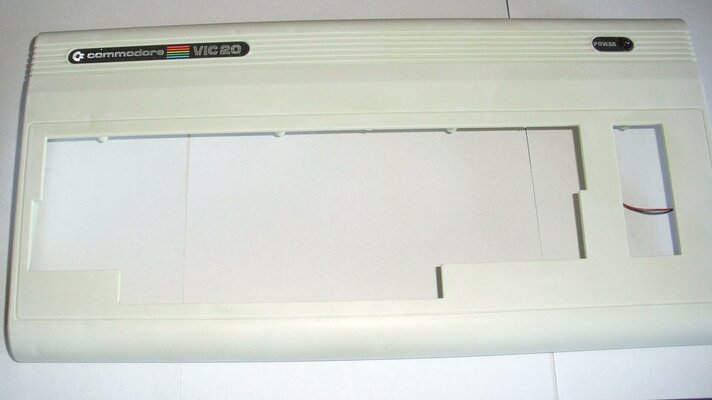
I originally whitened this VIC-20 case back in 2011, before and after shown below. It should be noted that the case was originally orange all over, I had already done some testing on the right hand side, which is why the yellowing looks uneven.
VIC-Before-2011.jpg VIC-after-2011.jpg

There was some chalkiness on the finished case, except where there had been a label, which I had removed before I started soaking it. The plastic was not chalky where the label was, and this prompted me to think about the damaged plastic scenario, which is the subject of this post. As I wasn't using this VIC-20 case for anything, I stored it in a dark place.

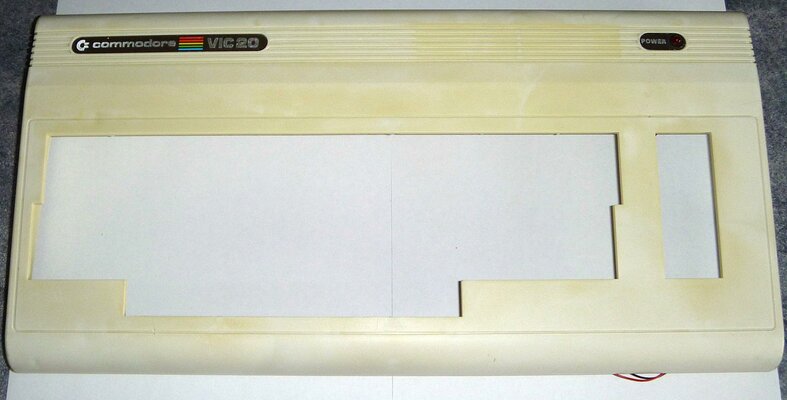
After several years in storage the case had yellowed again, though nowhere as badly as it was originally. Of course while Retrobrite reverses the yellowing process, it does nothing to prevent it happening again. I decided to repeat the process, but this time I wanted to see if Retrobrite actually causes damage (chalkiness, brittleness etc) as some people think. So this time I decided to soak the item for two weeks in the harsh Australian sun. On the left is the VIC-20 case showing the yellowing that has returned after the original treatment in 2011. On the right is the same case after the two week soaking.
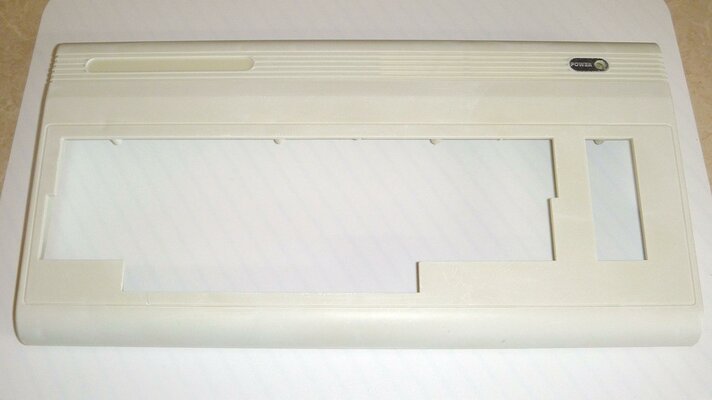
VICbefore2018.jpg VIC-after-2018.jpg

The rationale for my experiment is to see if my theory that existing damage to the case causes brittleness, unevenness or chalkiness. To provide a control, I had removed the label, leaving an area of plastic that had never been exposed to oxygen or light, and had never gone yellow. The inside of the case provided another control, only this time it has been exposed to oxygen throughout its life, but not light. It had also not gone yellow. Another reason to remove the label was that I would not expect it to survive two weeks in a strong oxidising solution containing sodium percarbonate/hydrogen peroxide.

After the two week soak, the case looked just as it did after the initial treatment in 2011. Perhaps slightly whiter as the treatment done in 2011 was only for a few hours. Comparing the outside surface of the case to the area where the label was, as well as the inside of the case, both areas never exposed to light in the entire time the VIC existed, reveals that the outside exposed area is very slightly lighter and chalkier than the protected areas.
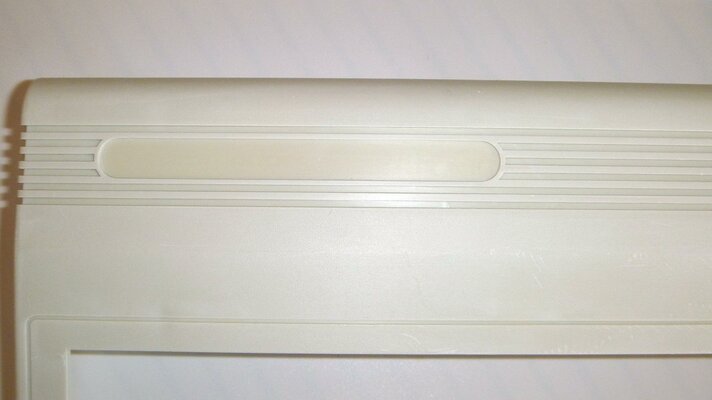
VIC-compare-2018.jpg

A closeup of the label area shows how it is slightly darker and does not exhibit the slight chalkiness of the surrounding areas.
The enhanced view below shows this a bit better.
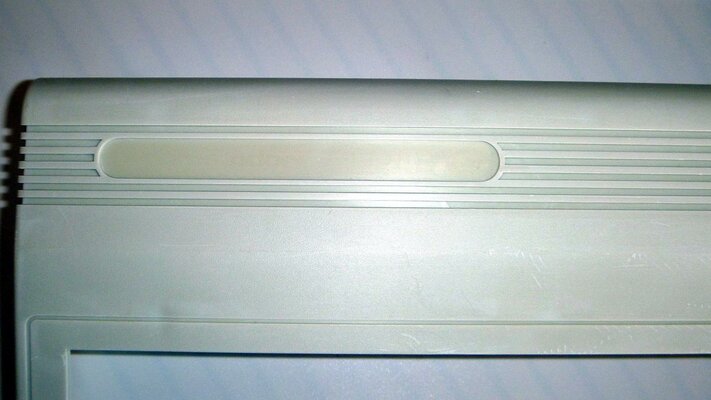
VIC-enhanced.jpg
I also noted that areas on the case that had slight scuffs or abrasions also looked lighter and had a chalky effect compared to the surrounding areas after Retrobriting.

I had also tried the two week soak on an Amiga case that was cheese yellow. I got similar results to the VIC. Only the surfaces that had been exposed to light (and yellowed) showed any chalkiness or unevenness.

In conclusion, areas that had never been exposed to light, and never been yellowed do not exhibit visible changes or damage, even after a two week Retrobrite soak.
Damaged areas may exhibit chalkiness, but even after two weeks, the Retrobrited case looked far better than if it wasn't done.

In my opinion, assuming the retrobrite process was done evenly, and not by painting and cling wrap, then Retrobrite in itself does not damage plastic, the plastic is already damaged as part of the yellowing process, and the damage becomes visible once the yellowing is removed. The chalkiness is more noticeable on plastics that were originally darker, but even after two weeks, they still looked much better after Retrobrite compared to being cheese yellow.

Of course I'm not suggesting that items be soaked for two weeks, after all, at least in my case, after the first day there was no yellowing left to remove!
 
Last edited:
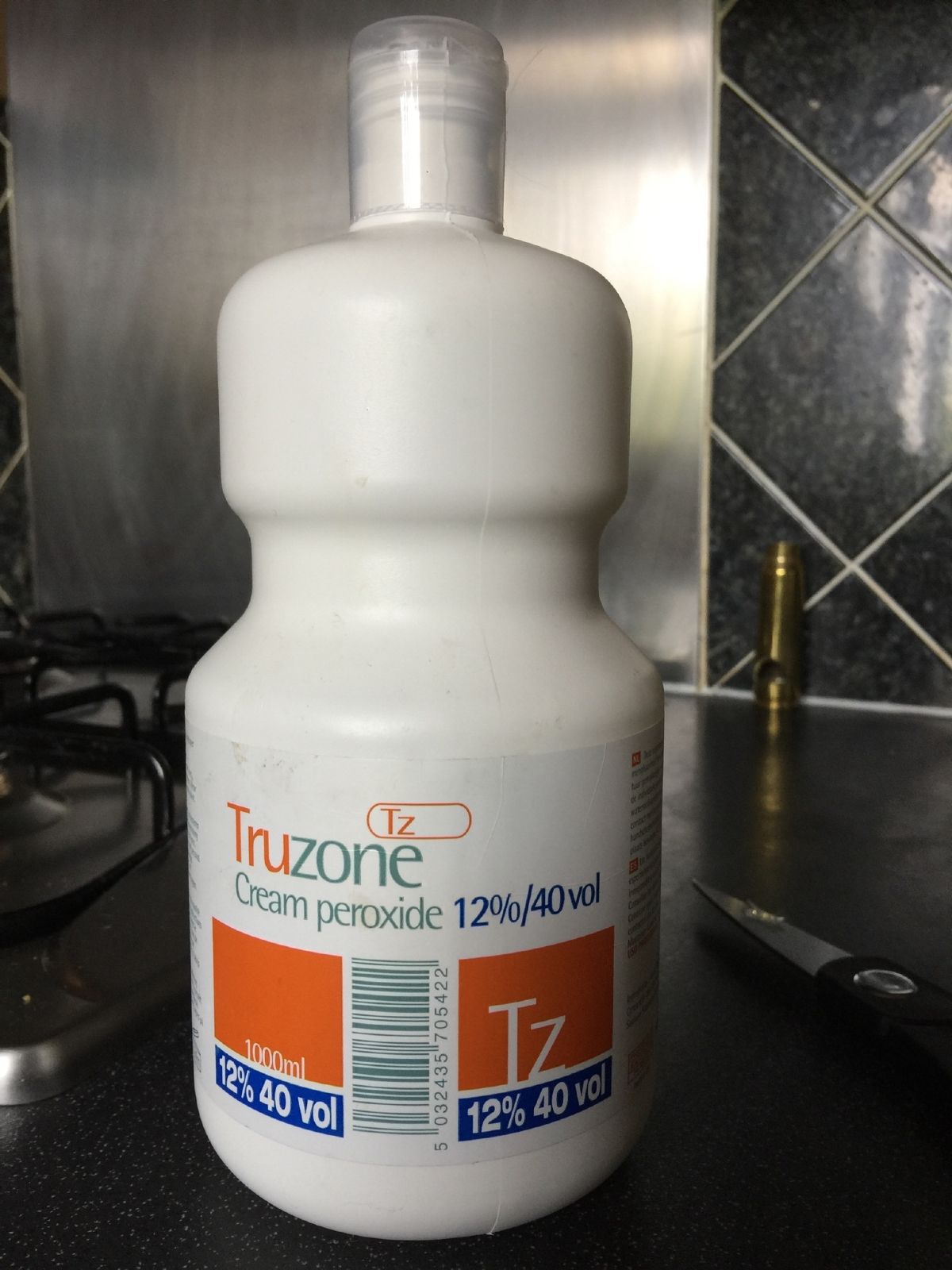
Having seen people suggest Sodium Percarbonate as good source of the peroxide.... I am wondering which generates MORE peroxide (translate the terms into equivalents if anyone can!?!!!)

A) 1 litre of 12% 40 volume creme Peroxide or

B) 1kg of Percabonate which has an active oxygen content 13% and equivalent to 27.5% peroxide?

To be honest I would probably prefer the Percarb as it stores well and can be made up as needed.
 
I wondering if anyone can provide some inside into how far I should dare to push key-caps with retr0bright.

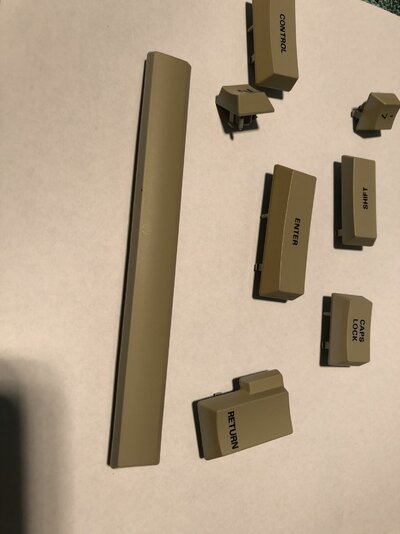
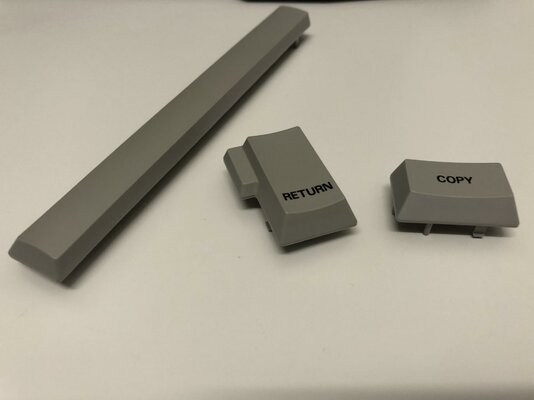
I've retr0brighted a set of light grey-ish keys from an Amstrad CPC 6128. Yellowing has been greatly reduced, but I can still faintly make out the line of where the yellowing was/wasn't on most of the keys. Some keys are a little worse than others.

I'm tossing up as to whether to give the keys another go in retr0bright. How do I know when I should stop? What happens if I over-retr0bright them? Are there any signs that indicate "this plastic has had enough"?

I've attached a photo of some of the keys for anyone who is interested. The picture does not really give an accurate representation, however. But look at the Return key - you should be able to note a faint "line". I've also attached a "before" pic.

Before:
IMG_1327.jpg


After:
IMG_1335.jpg
 
I wondering if anyone can provide some inside into how far I should dare to push key-caps with retr0bright.

I've retr0brighted a set of light grey-ish keys from an Amstrad CPC 6128. Yellowing has been greatly reduced, but I can still faintly make out the line of where the yellowing was/wasn't on most of the keys. Some keys are a little worse than others.

I'm tossing up as to whether to give the keys another go in retr0bright. How do I know when I should stop? What happens if I over-retr0bright them? Are there any signs that indicate "this plastic has had enough"?

I've attached a photo of some of the keys for anyone who is interested. The picture does not really give an accurate representation, however. But look at the Return key - you should be able to note a faint "line". I've also attached a "before" pic.

Before:
View attachment 134918


After:
View attachment 134919

There are risks with anything you do like this... eg. Atari ST plastic reacts quite badly to Retrobrite in 3 cases I have seen. I have also seen Amiga keys warp when left retrobriting in sun...

Given your keys now look (IMHO) pretty darn good, I would, if they were mine, leave them as is and call it a result.. but your choice!
 
I will also say that you should stick with what you have if it looks good. When you give them too much, the H2O2 will start to actually bleach the plastic which is not what you want and then they start becoming whiter than they were originally, and the main problem is that it tends to happens in spots so it not only looks bad but it could also make the plastic become very brittle. When you reach that point you cannot go back. Your keys will slowly re-yellow anyway, so better under-treat them a bit and then give them another go in a couple of years when you feel that they have become too yellow again. My experience tells me that for the best result it is best to use a weak H2O2 solution (I use ~3%) so the process happens more slowly which makes it easier to handle.
 
Last edited:
Hello

has anyone tried ozone generator plus sun, and seen any actual science proving this
a) works b) is safe

ie
https://m.youtube.com/watch?v=qZYbchvSUDY

https://www.eevblog.com/forum/vintage-computing/adventures-in-retrobrite/

ozone generators can be bought from amazon c. £25 so I had thought I could get one, try it out and if junk, send it back.

On the face of it it’d be a load easier than taking
stuff apart!


whatchathink?


Last edited:
Hello

has anyone tried ozone generator plus sun, and seen any actual science proving this
a) works b) is safe

ie
https://m.youtube.com/watch?v=qZYbchvSUDY

https://www.eevblog.com/forum/vintage-computing/adventures-in-retrobrite/

ozone generators can be bought from amazon c. £25 so I had thought I could get one, try it out and if junk, send it back.

On the face of it it’d be a load easier than taking
stuff apart!


whatchathink?

Its my plan at some stage.. The 8BitGuy video shows it works but its slower than other methods but given its a gas I think it should give a more even coverage than the cremes and it doesnt dry out!! And it should cover inside/out equally well. Ozone generators can also be made from bits off eBay cheaper (ISTR that TheBackOffice did a few videos on DIY generators). My intention is to put kit inside a clear plastic box (Really Useful 32L box is perfect for Amiga 500 for example), in sunlight or heat, and with a small hole for an Ozone tube to go in from the generator.
 
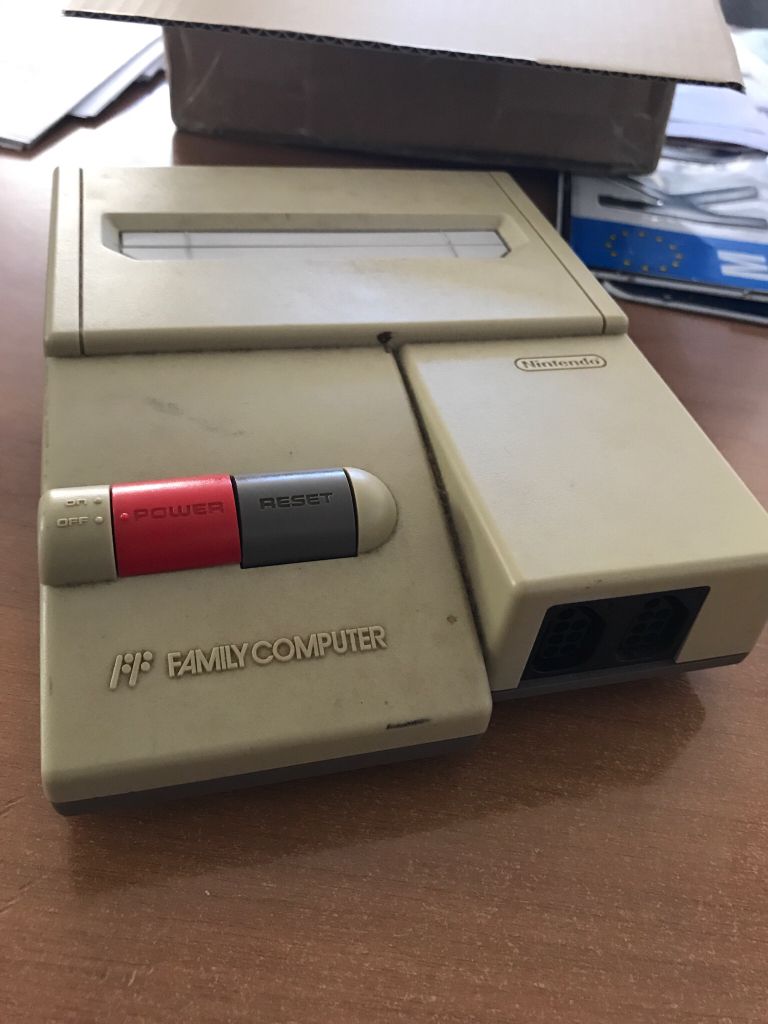
Hi I actually ordered one off amazon and its here. I've left it pumping out its stuff, very very slowly, and you can smell the ozone, as I know ozone can be irritable to some people and theres kids in the house, I've put it outside. I've left it pumping into a big resealable IKEA 'vacuum' bag, and after 2 hours ifs definitely got a little gas in it. the one I bought switches off after 30mins (which is a pain).

I'll leave my apple iic out sealed in the bag, in the sun, tomorrow and see what happens. I took a photo in the house with a white sheet of paper to try and act like some kind of control help comparisons with before and after photos.

Science? who knows.

ps :) ha you're in herts, I was born and bred in exciting Potters Bar.
 
Last edited:
He forgot one other control, JUST the sun. You can just set computers out in the sun and they will lighten back, it just takes a longer time compared to adding the peroxide. I suspect the "ozone" bag was just this effect and nothing else, because it would be gone out of that bag in minutes.
 
Ok that's not a control at all but a comparison aid for when I take a photo. I dont have spare iic's.

if UV light on its own reverses the yellowing caused by UV light, will it go white on their own again? please expand that as i've not heard of that effect thus far.

Also you say the ozone would be gone, do you mean a reaction has occurred and its no longer ozone, or leaked away?

thx!
 
Back
Top Bottom