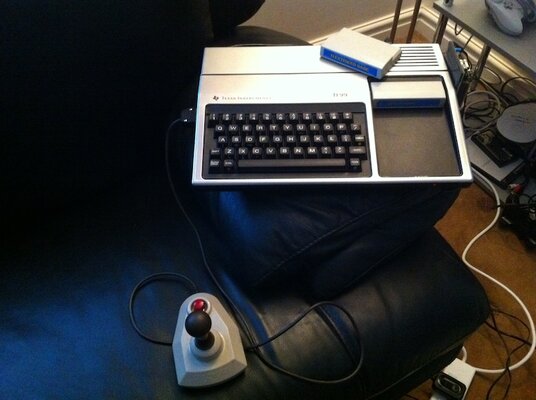

After some soul searching ive bought a Ti99/4a - my first ever computer (late 1984ish)
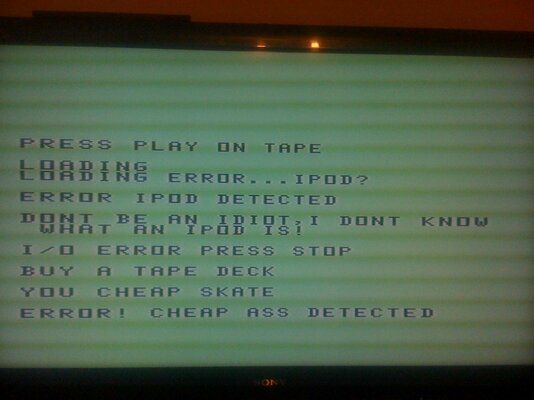
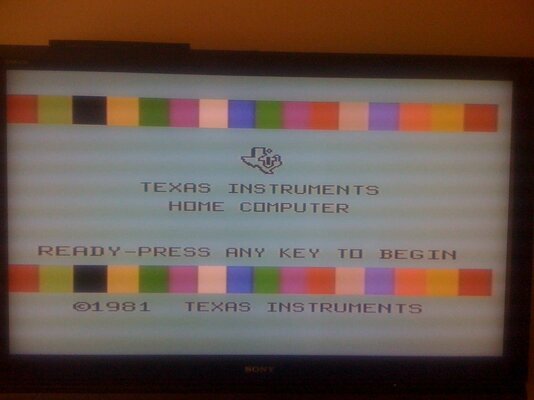
Just collected it today and fired it up on my 40inch sony tv!
Spec:
CPU: TI TMS9900, 3.0 MHz, 16-bit
Memory: 16KB VDP RAM (Video Display Processor RAM) (expandable to 192 KB with the use of YAMAHA V9938 - this was not a standard upgrade option but was a user-designed modification), 256 bytes CPU fast "scratchpad RAM" intended for the TMS9900 processor to maintain register "workspaces". It was also possible to add an 8K "supercart" or 32K "superspace"
Video: TI TMS9918A VDP
32 single-color sprites in defined layers allowing higher-numbered sprites to transparently flow over lower-numbered sprites. Sprites were available at 8×8 pixels or 16×16 pixels, with a 'magnify' bit that doubled all sprites' size but not their resolution. A single bit was available in hardware for coincidence (collision detection), and the console supported automatic movement via an interrupt routine in the ROM. There could be no more than 4 sprites per horizontal scanline.
16 fixed colors (15 visible, one color reserved for 'transparent' which merely showed the background color. Transparent was intended for the 9918's genlock functionality
Text mode: 40×24 characters (256 6×8 user-definable characters, no sprites, foreground and background color only, not accessible in BASIC)
Graphics mode: 32×24 characters (256 8×8 user-definable characters, full 15 color palette + transparent (available in groups of 8 through the character table) and 32 sprites (The only mode available in BASIC. Extended BASIC is required for sprites, and can only access 28 of them.)
Bitmap mode: 256×192 pixels (no more than two colors in an eight pixel row, full 15 color palette + transparent, all 32 sprites available but interrupt-based motion through the ROM routine is not due to the memory layout.
Multicolor mode: 64×48 pixels (each pixel may be any color, all 32 sprites are available)
Sound: TI TMS9919, later SN94624, identical to the SN76489 used in many other systems
3 voices, 1 noise from 110 Hz to approximately 115 kHz
Console ROM includes interrupt-driven music list playback
Ti99/4a (12/83 on the power pack)
power pack
cassette leads
manual
various magazines from 1984
Games computing April 1984
Games computing March 1984
Christines computers ltd price list
Home computing weekly Jan 1984
Home computing weekly April 1984
C&VG Feb 1984
book of games feb 1984
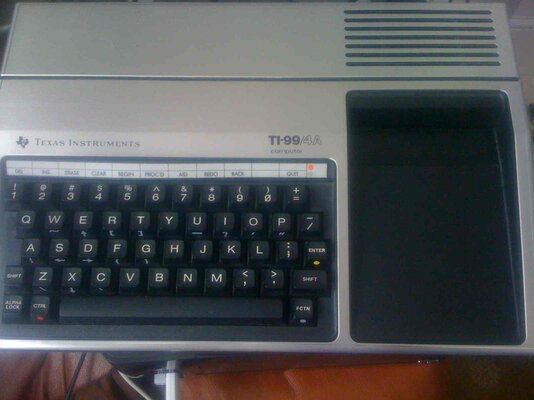
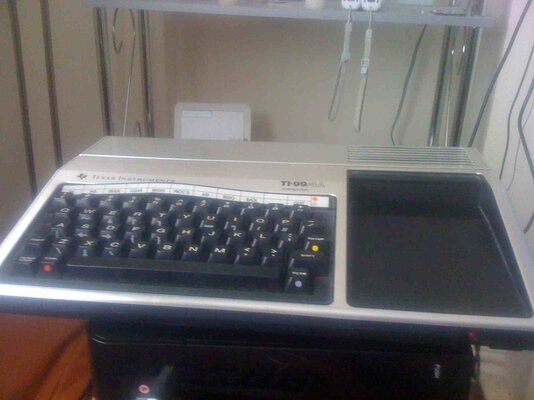
The condition is lovely , in fact possible better than mine in 1984! no games to play on it yet but i hope to have parsec on the go soon
* the photos are not so good and the machine is better is real life , as is the pic on the tv
***
New Editions June 2011
Ti Extended Basic module
Ti Editor Assembler module
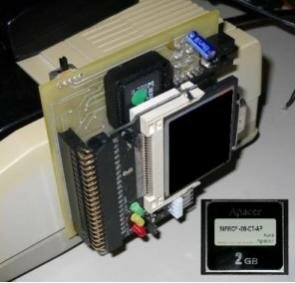
CF7+ 32K / CF / printer mini PEB unit (on its way)
Fun links Ti Related.
http://www.youtube.com/watch?v=pEtS-PFDRNc&feature=related
http://www.youtube.com/watch?v=S6tDebgmxBQ&feature=related
http://www.youtube.com/watch?v=Bazbju-p_Tg&feature=related
http://www.youtube.com/watch?v=FZgFAgmJkiE
http://www.youtube.com/watch?v=9CyfHZui0g8&feature=related
Ti commands on the mini PEB
(in basic) call mount (1,5) then reboot to EXT Basic. Disk manager auto loads
(turn off and insert EA cart)
(in basic) call mount (1,2) (inserts virtual diskette 2 in to virtual drive 1)
(in Editor Assem cart) option 5 (load EA program) DSK1.PARSEC1
parsec loads from virtual disk
Just collected it today and fired it up on my 40inch sony tv!
Spec:
CPU: TI TMS9900, 3.0 MHz, 16-bit
Memory: 16KB VDP RAM (Video Display Processor RAM) (expandable to 192 KB with the use of YAMAHA V9938 - this was not a standard upgrade option but was a user-designed modification), 256 bytes CPU fast "scratchpad RAM" intended for the TMS9900 processor to maintain register "workspaces". It was also possible to add an 8K "supercart" or 32K "superspace"
Video: TI TMS9918A VDP
32 single-color sprites in defined layers allowing higher-numbered sprites to transparently flow over lower-numbered sprites. Sprites were available at 8×8 pixels or 16×16 pixels, with a 'magnify' bit that doubled all sprites' size but not their resolution. A single bit was available in hardware for coincidence (collision detection), and the console supported automatic movement via an interrupt routine in the ROM. There could be no more than 4 sprites per horizontal scanline.
16 fixed colors (15 visible, one color reserved for 'transparent' which merely showed the background color. Transparent was intended for the 9918's genlock functionality
Text mode: 40×24 characters (256 6×8 user-definable characters, no sprites, foreground and background color only, not accessible in BASIC)
Graphics mode: 32×24 characters (256 8×8 user-definable characters, full 15 color palette + transparent (available in groups of 8 through the character table) and 32 sprites (The only mode available in BASIC. Extended BASIC is required for sprites, and can only access 28 of them.)
Bitmap mode: 256×192 pixels (no more than two colors in an eight pixel row, full 15 color palette + transparent, all 32 sprites available but interrupt-based motion through the ROM routine is not due to the memory layout.
Multicolor mode: 64×48 pixels (each pixel may be any color, all 32 sprites are available)
Sound: TI TMS9919, later SN94624, identical to the SN76489 used in many other systems
3 voices, 1 noise from 110 Hz to approximately 115 kHz
Console ROM includes interrupt-driven music list playback
Ti99/4a (12/83 on the power pack)
power pack
cassette leads
manual
various magazines from 1984
Games computing April 1984
Games computing March 1984
Christines computers ltd price list
Home computing weekly Jan 1984
Home computing weekly April 1984
C&VG Feb 1984
book of games feb 1984
The condition is lovely , in fact possible better than mine in 1984! no games to play on it yet but i hope to have parsec on the go soon
* the photos are not so good and the machine is better is real life , as is the pic on the tv
***
New Editions June 2011
Ti Extended Basic module
Ti Editor Assembler module
CF7+ 32K / CF / printer mini PEB unit (on its way)
Fun links Ti Related.
http://www.youtube.com/watch?v=pEtS-PFDRNc&feature=related
http://www.youtube.com/watch?v=S6tDebgmxBQ&feature=related
http://www.youtube.com/watch?v=Bazbju-p_Tg&feature=related
http://www.youtube.com/watch?v=FZgFAgmJkiE
http://www.youtube.com/watch?v=9CyfHZui0g8&feature=related
Ti commands on the mini PEB
(in basic) call mount (1,5) then reboot to EXT Basic. Disk manager auto loads
(turn off and insert EA cart)
(in basic) call mount (1,2) (inserts virtual diskette 2 in to virtual drive 1)
(in Editor Assem cart) option 5 (load EA program) DSK1.PARSEC1
parsec loads from virtual disk
Attachments
Last edited: