
Hi all,
So as some of you will have seen in the forum, I have started a project to restore a GVP A530 to her former glory. Ive always been a fan of the Amigas, in particular the 500 and 500+, so the A530 was the natural choice, and is in my opinion the best accelerator out there for the 500's.
I obtained this unit from ebay some time ago, from a seller who I believe is in the forums here. Shes works ok electrically and arrived as described by the seller, but I wasn't happy with her overall. This is more about me being a bit of a perfectionist than anything else, and not a criticism of the original seller.
So now, we can get straight into it. Here comes the first lot of pics :
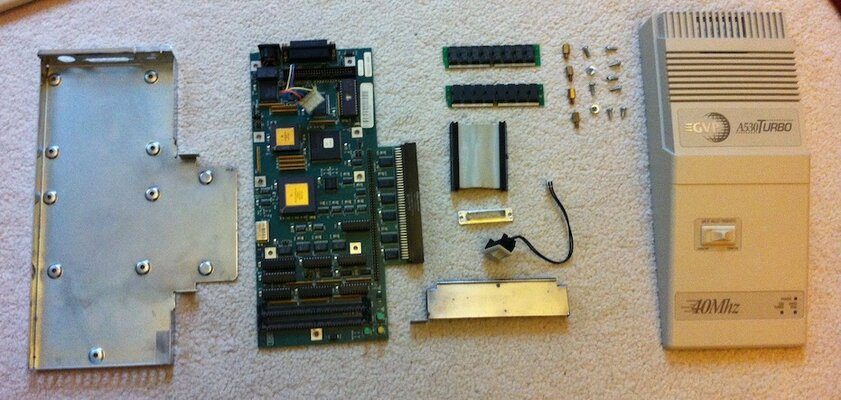
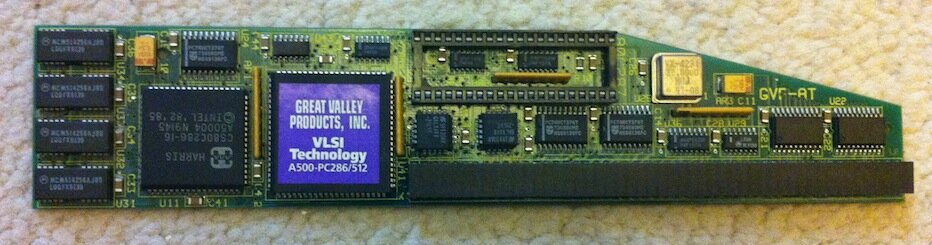
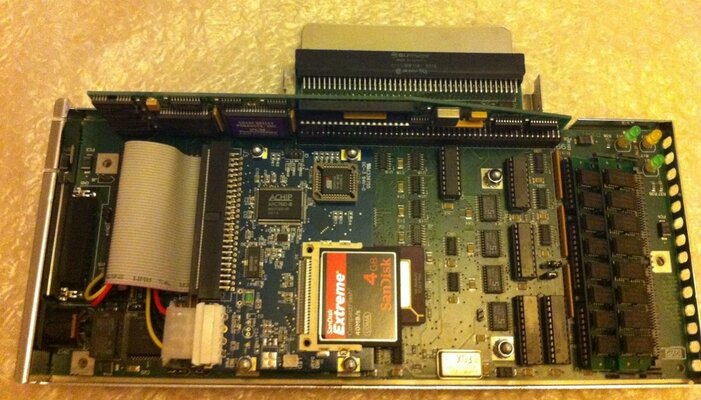
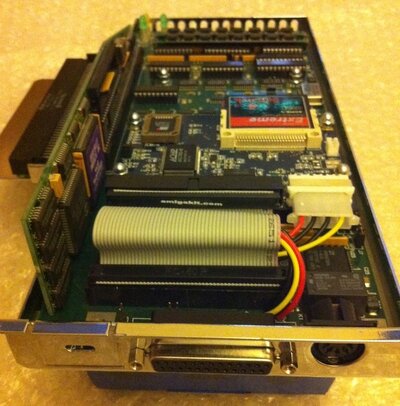
First pic of her stripped down and laid bare. And yes, there is an additional toggle switch included in the pic. I have spared you from the considerable amount of dust and crap that had built up between the baseplate and the PCB.
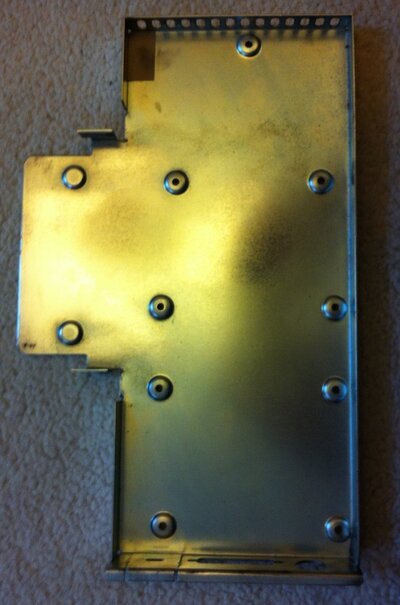
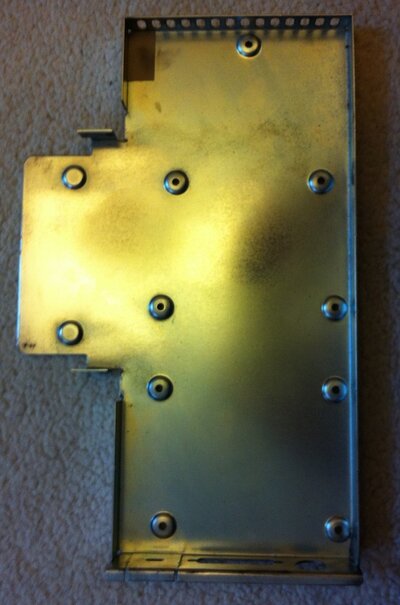
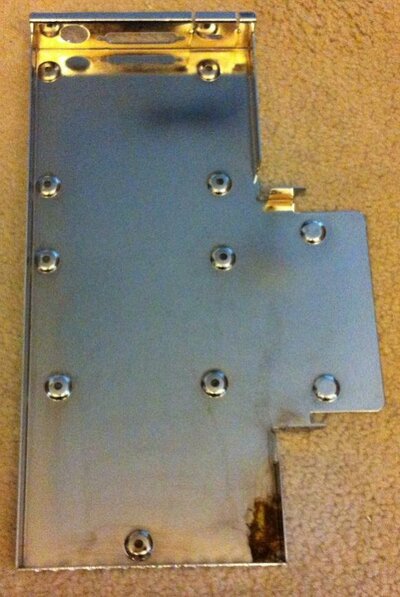
Baseplate inside...
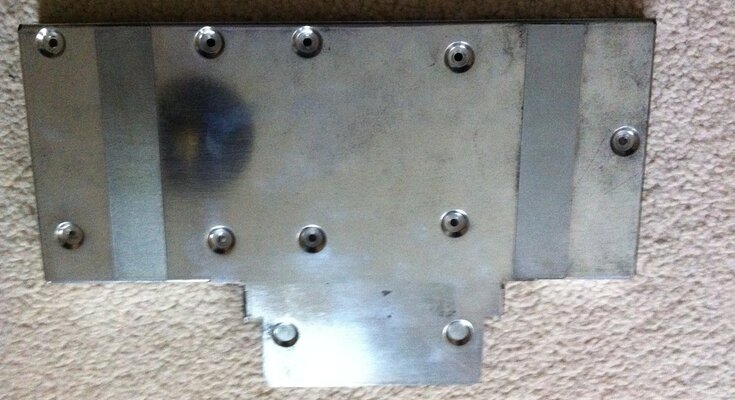
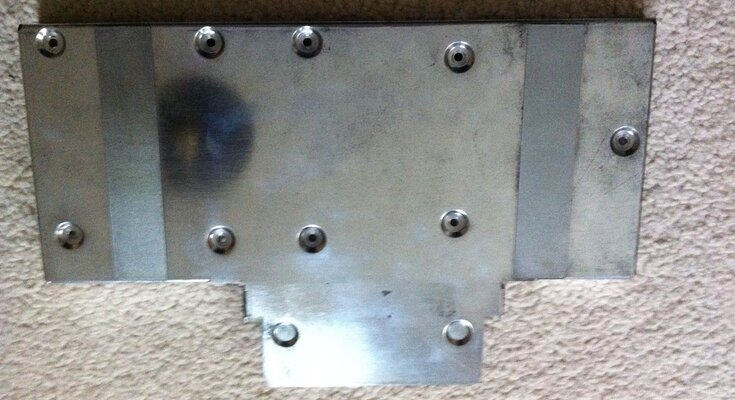
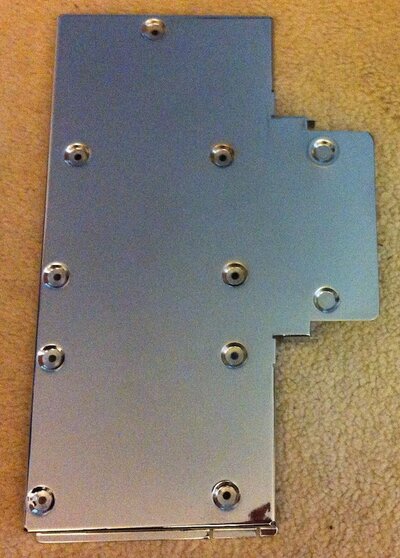
And then from the outside. Its in good condition overall, but the pics above are after I have spent several hours carefully buffing by hand using a wadding polish. Its starting to get the mirror effect which looks good, but the rust or whatever it is in the bottom of the grain effect metal just wont come out despite all the buffing. The overall finish then is ok, but not good enough for my liking. Will have to do something else about that...
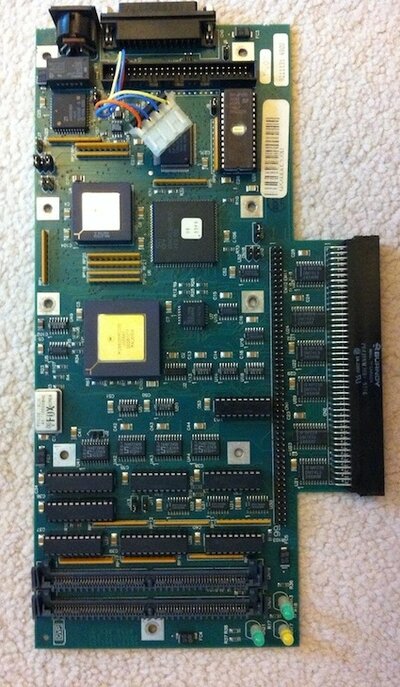
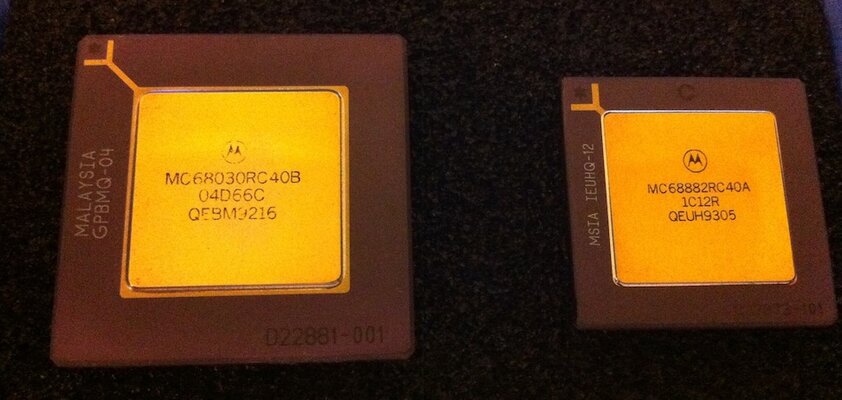
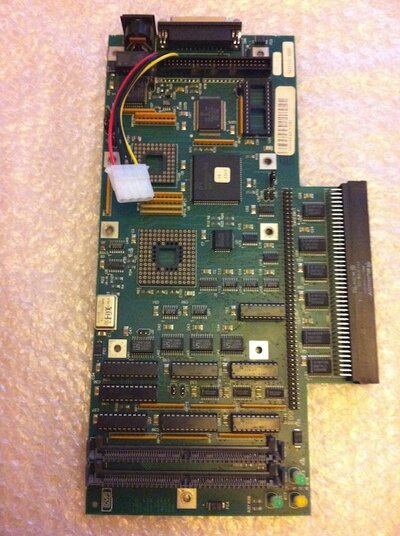
Front side of the PCB. Not bad condition overall. This is after I have cleaned it up using a can of spray PCB cleaner, a soft toothbrush and a bit of time. Ive also cleaned the CPU/FPU sockets and reseated them after a clean up using the wadding polish on the top of the CPU and FPU. The CPU is a MC68030RC33B and the FPU is an XC68882RC50A. I have plans for these also...
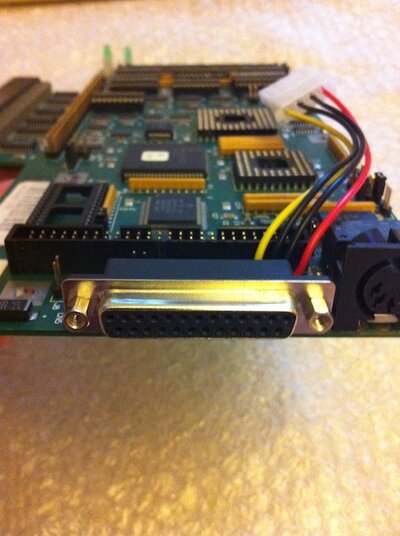
The cabling on the power connector feels hard and brittle. That just wont do for me...
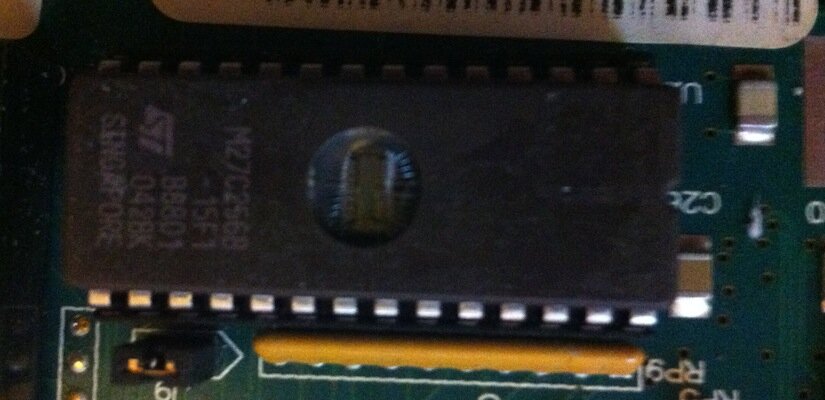
The oscillator chip is a 40Mhz part and is in good shape.
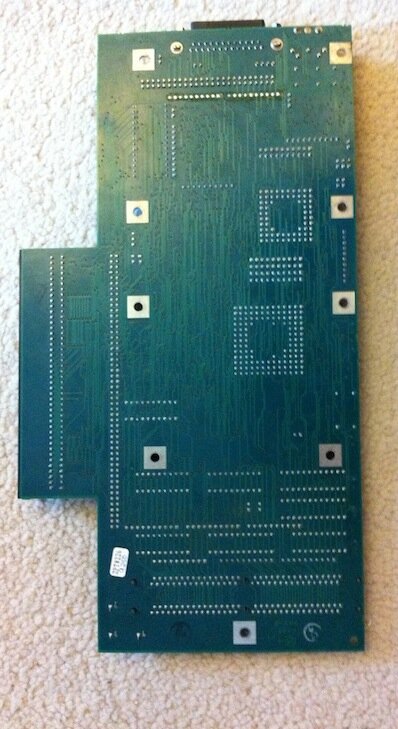
And the back of the PCB. Again, cleaned with PCB spray and a soft toothbrush, she has come up well. No signs of any breaks in the soldering on either side of the board. Thats good!
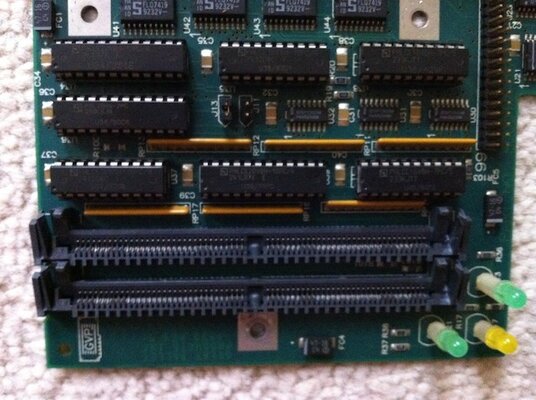
The memory slots on the PCB. They look ok but the lugs at either side that hold the simms in place are broken. These will need replacing...
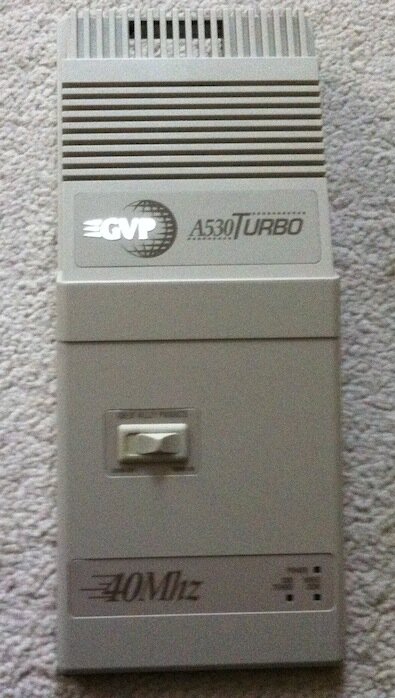
Now to the external cover. This is in fair condition. No yellowing or signs of damage, and the labels are undamaged too. Just given a quick clean with a mild detergent for now.
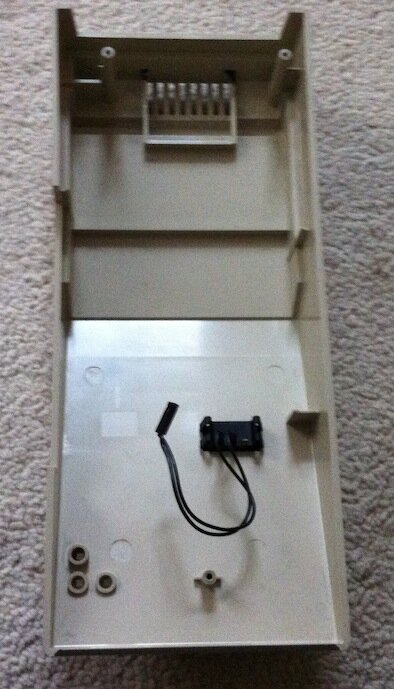
Inside the cover. Needs a bit more cleaning here. I have removed the fan as it was making a terrible noise and didnt seem to be shifting much air either.
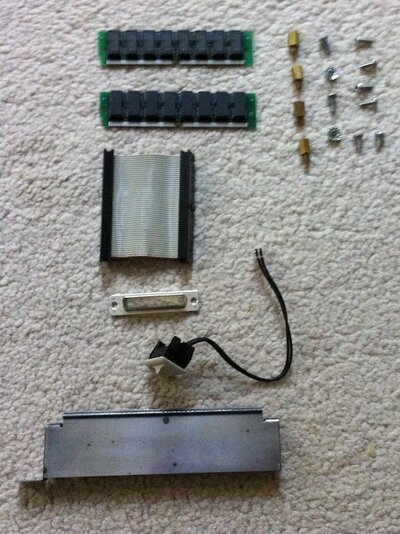
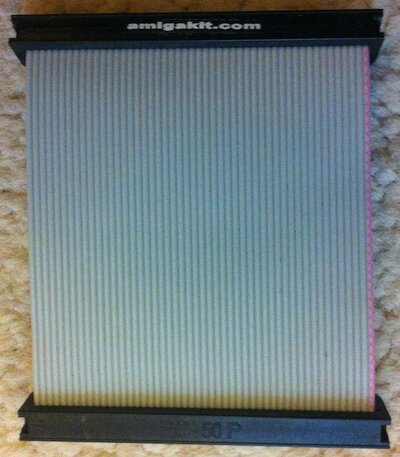
The other bits from inside. 2 x 4Mb GVP simms cleaned up nicely with the PCB cleaner. The SCSI cable feels hard and brittle, so that will get replaced. The brass pins for mounting the hard drive are actually motherboard standoffs that screw in from underneath the baseplate and help to secure the PCB also. The side cover shield is a bit messy but that will soon cleanup I reckon.
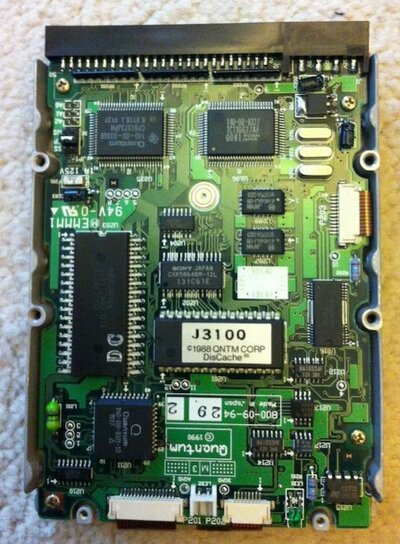
The 4.3Gb Quantum LPS hard drive. This works, but is very old. Ive decided not to keep this as it is noisy and well past its service life. I just dont trust it enough to use in a production system so it will have to go and an alternative will need to be found.
So overall, not bad so far, but still not good enough for my standards.
More updates to follow.....

So as some of you will have seen in the forum, I have started a project to restore a GVP A530 to her former glory. Ive always been a fan of the Amigas, in particular the 500 and 500+, so the A530 was the natural choice, and is in my opinion the best accelerator out there for the 500's.
I obtained this unit from ebay some time ago, from a seller who I believe is in the forums here. Shes works ok electrically and arrived as described by the seller, but I wasn't happy with her overall. This is more about me being a bit of a perfectionist than anything else, and not a criticism of the original seller.
So now, we can get straight into it. Here comes the first lot of pics :
First pic of her stripped down and laid bare. And yes, there is an additional toggle switch included in the pic. I have spared you from the considerable amount of dust and crap that had built up between the baseplate and the PCB.
Baseplate inside...
And then from the outside. Its in good condition overall, but the pics above are after I have spent several hours carefully buffing by hand using a wadding polish. Its starting to get the mirror effect which looks good, but the rust or whatever it is in the bottom of the grain effect metal just wont come out despite all the buffing. The overall finish then is ok, but not good enough for my liking. Will have to do something else about that...
Front side of the PCB. Not bad condition overall. This is after I have cleaned it up using a can of spray PCB cleaner, a soft toothbrush and a bit of time. Ive also cleaned the CPU/FPU sockets and reseated them after a clean up using the wadding polish on the top of the CPU and FPU. The CPU is a MC68030RC33B and the FPU is an XC68882RC50A. I have plans for these also...
The cabling on the power connector feels hard and brittle. That just wont do for me...
The oscillator chip is a 40Mhz part and is in good shape.
And the back of the PCB. Again, cleaned with PCB spray and a soft toothbrush, she has come up well. No signs of any breaks in the soldering on either side of the board. Thats good!
The memory slots on the PCB. They look ok but the lugs at either side that hold the simms in place are broken. These will need replacing...
Now to the external cover. This is in fair condition. No yellowing or signs of damage, and the labels are undamaged too. Just given a quick clean with a mild detergent for now.
Inside the cover. Needs a bit more cleaning here. I have removed the fan as it was making a terrible noise and didnt seem to be shifting much air either.
The other bits from inside. 2 x 4Mb GVP simms cleaned up nicely with the PCB cleaner. The SCSI cable feels hard and brittle, so that will get replaced. The brass pins for mounting the hard drive are actually motherboard standoffs that screw in from underneath the baseplate and help to secure the PCB also. The side cover shield is a bit messy but that will soon cleanup I reckon.
The 4.3Gb Quantum LPS hard drive. This works, but is very old. Ive decided not to keep this as it is noisy and well past its service life. I just dont trust it enough to use in a production system so it will have to go and an alternative will need to be found.
So overall, not bad so far, but still not good enough for my standards.
More updates to follow.....