Modern Amiga PSUs: deeper than a rabbit hole!

  • Thread starter Thread starter fpmpaolo
  • Start date Start date
  • Replies Replies 128
  • Views Views 4854
Hi

I have been using a Mean well RT50-B PSU in a A500 PSU case for over five years for my A1200 (With TF1260, Flicker fixer and USB) in the original wedge case with no issues if that means anything :ROFLMAO:

Regards

Barry
 
Hi

I have been using a Mean well RT50-B PSU in a A500 PSU case for over five years for my A1200 (With TF1260, Flicker fixer and USB) in the original wedge case with no issues if that means anything :ROFLMAO:

Regards

Barry
Do you use a Buck's DC-DC converter on your 12 V line(s) as described previously in this discussion, and is the 5 V, 80 mV p-p ripple (vs a 50 mV one of the original specs) cause any problems?
Since the RT-65B is 50% higher in cost over the PT-65B that has a stated 5 V ripple of 50 mV which meets the same specification of the CBM A500 PSU, was there a specific reason you chose to use the RT?
 
Do you use a Buck's DC-DC converter on your 12 V line(s) as described previously in this discussion, and is the 5 V, 80 mV p-p ripple (vs a 50 mV one of the original specs) cause any problems?
Since the RT-65B is 50% higher in cost over the PT-65B that has a stated 5 V ripple of 50 mV which meets the same specification of the CBM A500 PSU, was there a specific reason you chose to use the RT?
Hi

No, just connected it up direct to the terminals on the Mean well. At the time no-one knew anything of the supposed issues of using the Mean well.

When I did it I was only aware of RT50 via an article I read and was available for under £20. Once wired up and fitted to the old PSU case, I did was adjust the 5v and 12v while the machine was on to get as close to the correct voltage as possible.

No issues so far, but only use it a a few times a month for games / demos.

Regards

Barry
 
In the Checkmate 1500 Plus manual there's a separate chapter discussing how to add dummy loads of the PSU isn't behaving.

The chapter is called "Some notes on power supplies", and is found on page 97.
Thank you for this additional info from manual. Considering SFX is a more modern format, and many were probably getting 400watt to 650watt PSUs into their Checkmate 1500s, I wonder how many had any sort of load issues on their 500/1200 deployments in the 1500 case. It's covered in the manual as you note, so Steven thought of it. But did anyone actual have issues around this?
 
The size, format, appearance and cost of using an SFX PSU, makes it unappealing to have one for each A1200 in my collection.

For those locked into the icomp CA-PSU, a couple of years back I had an early model Indy MK 3 that required running a reboot program (initially from the restore floppy) every time I rebooted that A1200. Jens blamed the power supply without knowing that I was using his CA-PSU. As it turned out, I needed a small MK 3 reboot program at startup.

After that I started taking his opinions with a grain of salt.
 
So I tried to read every single comment from the very beginning of this thread.
First of all.
MONDO THANKS to all the people who replied carefully providing me lots and tons of infos.
I'll try to rank all the PSU's described in here.

01. Original Commodore PSUs obviously RECAPPED + CA-PSU: it seems the most compatible of all, expecially for the ripple values which are almost equal to commodore's PSU.
02. MeanWell - maybe with the help of a DC-DC converter
03. ATX PSU
04. ElectroWare, Keelog and all others.

Obviously it is a personal ranking.
Most depends about the HW inside our Amigas.
 
In my research, I've found that the PT-65B's 5 V ripple is the same as the Commodore's. What I cannot find evidence of is the harm caused by the 12 (+/-) V rail, and why it needs to be separately regulated with a Buck's converter.
 
In my research, I've found that the PT-65B's 5 V ripple is the same as the Commodore's. What I cannot find evidence of is the harm caused by the 12 (+/-) V rail, and why it needs to be separately regulated with a Buck's converter.
Do you have a reference to regulating the 12V rail with DC-DC converter? I don't think I've mentioned that (me referring to DC-DC was as a design for an entire PSU, nothing to do with 12V on a MW).
 
The only reference is this post by 8 Bit Dreams:

"Have built about 15 PSU supplies based on MeanWell RT65-B, and I can surely say: these are way better than some other brand new PSU supplies You can find on the other bay. The best thing (but also a probem) is that You can adjust power rails on them.

Unfortunately there is only one adjustment knob, so turning up +5V rail will also push +12V rail up. So be prepared to get +14V - 16V when You get Your sweet spot for +5V...

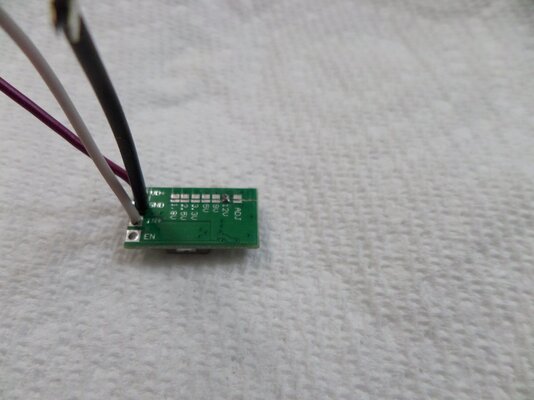
Now because of that You need to install some kind of additional DC-DC converter. I've took these:
212013-c8b2945b74d1e6c864c0f6736b07f547.jpg
1745596829882.png

And set them to 12V. That's it; now the 12V rail looks perfect no matter what is happening on 5V rail."
 
When I did it I was only aware of RT50 via an article I read and was available for under £20. Once wired up and fitted to the old PSU case, I did was adjust the 5v and 12v while the machine was on to get as close to the correct voltage as possible.
@sheepz, these 10cmx10cm mean well cubes will fit in the old A500 PSUs, but not in the 600/1200 PSUs, right? Which case are you putting them in, and has anyone found a good replacements for the guts of the smaller Commodore PSU 600/1200 cases?
 
@sheepz, these 10cmx10cm mean well cubes will fit in the old A500 PSUs, but not in the 600/1200 PSUs, right? Which case are you putting them in, and has anyone found a good replacements for the guts of the smaller Commodore PSU 600/1200 cases?
Hi @YouKnowWho

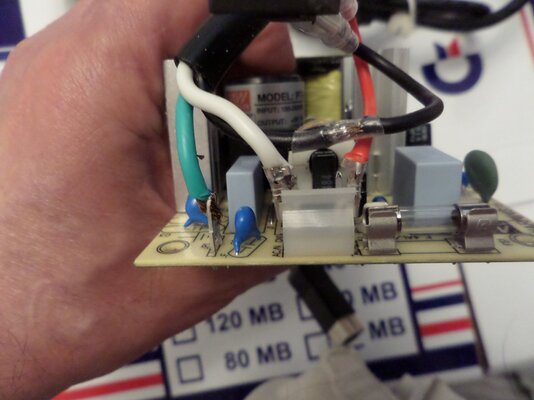
I have sold my others with my A500s but my A1200 uses the PCB from below. You do have to cut some of the internal plactic away but it fits will in the A300/600 Power Supply - P-No: 391029-02, needed a bit more work in the A500 312503-02. Looking back and now I am better at soldering I would not bother with the PCB. I have re-capped a few old PSUs (did that to my A4000 before changing to ATX SFX PSU) and the give good votages. I wonder if people have issues with recapped original PSUs other than the age of other components?

My uncle that got me into amigas still uses an old Goliath PSU in his Blizzard PPC 603e upgraded A1200 and that's just an old PC PSU in a fancy case and its be one the go for 30 years!

PCB


Goliath PSU


Regards
 
I did some testing of the Mean Well PT-65B; stock, it shows the 5 V rails (it sports two) as 5.1 V without load, 4.99 under load with a TF1260. The 12 V rail was 12.7 V but with a load, it was 12.15 V. I added in the Buck DC-DC adapter set for 12 V, without load was 11.8 V and with the load came to 11.35 Volts.

Assuming that the one I used was a representative sample (I wouldn't use this data for a senior's thesis) and that an error of less than 10% is acceptable, either a stock PT-65B or a modified one should be acceptable. I went ahead and used it as stock, putting it into a 3D case found online for this model.

As far as original cases meant for the A300/600, 500, and 1200, the PSU fits those cases either as is, or when mounted upside down, with the occasional septum needing removal. Do to the minimal heat generated by the Mean Well, the upside down location appears to be fine. Under a prolonged load, it is only warm to touch.
 
I did some testing of the Mean Well PT-65B; stock, it shows the 5 V rails (it sports two) as 5.1 V without load, 4.99 under load with a TF1260. The 12 V rail was 12.7 V but with a load, it was 12.15 V. I added in the Buck DC-DC adapter set for 12 V, without load was 11.8 V and with the load came to 11.35 Volts.
Which DC-DC Adapter did you use?
Could you please post a photo of your setup? I use a MeanWell RT65B which is an enclosed PSU, and it seems to have different outputs.

RT-65B voltages: Output +5Vdc at 5A +12Vdc at 2.8A -12Vdc at 0.5

PT-65B voltages: Output 5Vdc at 7A +12Vdc at 3.2A -12Vdc at 0.7A
 
As I have about 13 PSUs, with 8 stored in reproduction boxes, including a storage container of 5 more, I find the request to disassemble my current PSUs to take photos not worth the information gained. I'll disassemble the one described and take a couple of photos in a bit, adding them after I post this text.

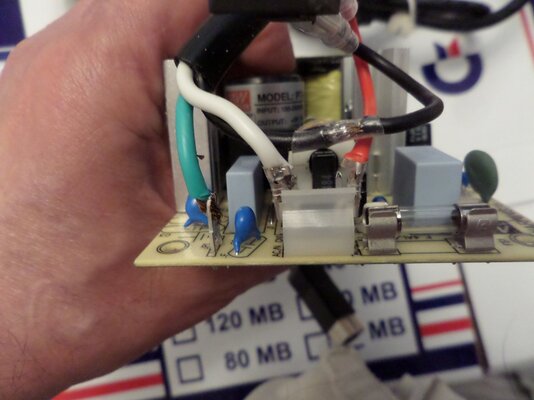
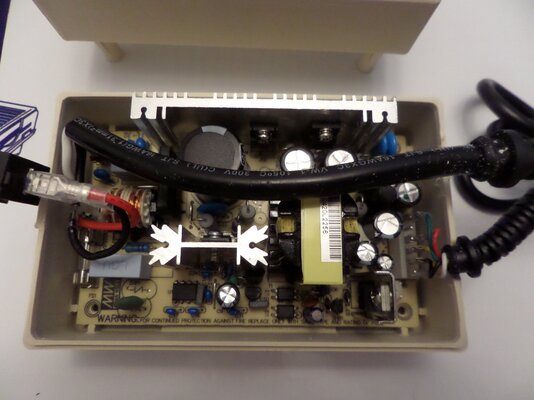
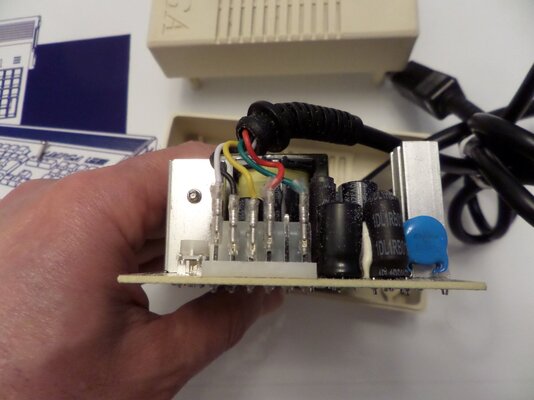
The specifics of the tested build described has wires tinned, then soldered to female connectors (type as recommended by the MW documents) for all connections except the line ground, that is directly soldered. The pin connectors all have the exposed female connector covered with heat-shrink tubing should one be pulled so aggressively that even the strain relief booting fails to work, the free wire can't short against what it touches. This way a freed wire remains isolated from contacting something causing a short.

The Buck DC-DC adapter sells for $10 USD on Amazon for 10 of them (HiLetgo 10pcs Mini DC-DC 12-24V... https://www.amazon.com/dp/B0CDWW4XHL).

You are quoting the current range rather than the specific current of 5 V - 5.5 A, 12 V - 2.5 A and (neg) 12 V - 0.5 A. Wildly fluctuating currents can change as the load can change under other conditions, but other than a 2.5 in HDD spinning up, I (perhaps in my ignorance) don't see how an A500/600/1200 would experience wildly changing loads once booted.

Photos to follow once I finish my morning coffee.
 
Photos to follow once I finish my morning coffee.
3.45 PM here in Italy so I'll virtually join you for a coffee break.

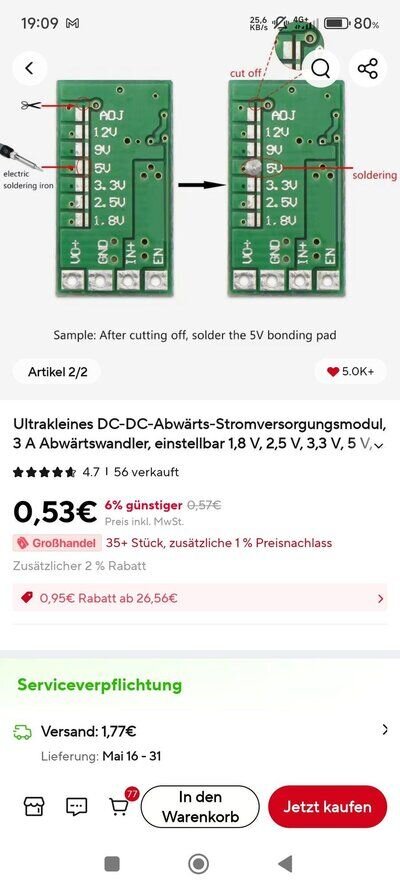
I have this DC-DC thing but I don't understand how to use it.

See if it's ok - after your coffee. Coffee is a RITUAL

01. I cut the line on the back as showed in pictures.
02. I solder my Amiga +12 cable on the +12 on the back.
03. I connect VO+ from the converter to the +12 on my MeanWell?
 
3.45 PM here in Italy so I'll virtually join you for a coffee break.

I have this DC-DC thing but I don't understand how to use it.

See if it's ok - after your coffee. Coffee is a RITUAL

01. I cut the line on the back as showed in pictures.
02. I solder my Amiga +12 cable on the +12 on the back.
03. I connect VO+ from the converter to the +12 on my MeanWell?
Still sipping coffee, but at 9:44 AM in Indiana (US).
You only cut that one line to disable the potentiometer, which is tiny, a piece of crap, and causes more voltage issues than not. There are 4 connections, Input voltage, V-output, ground and EN for a positive voltage to enable something I've already forgotten as it wasn't applicable. Then solder a blob at the 12 V line and see if it gives you the 12 V measurements you desire. You can leave the potentiometer connected, and play with it to see why it's best left out of use.

In my setup, having it inline posed logistical issues, such as needing to heat shrink wrap it to prevent shorts, sticking it in a location that holds it in place, so it doesn't flop around and come loose, and such.

I'll get up now, take photos and return.
 
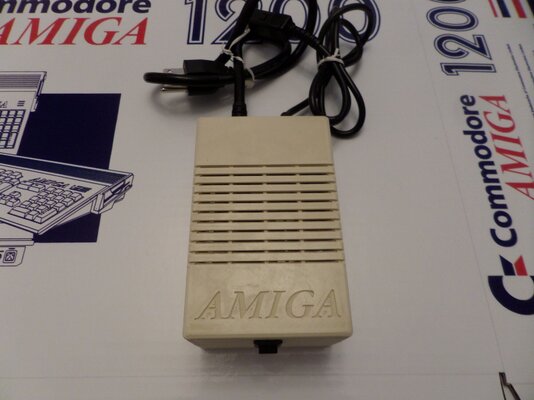
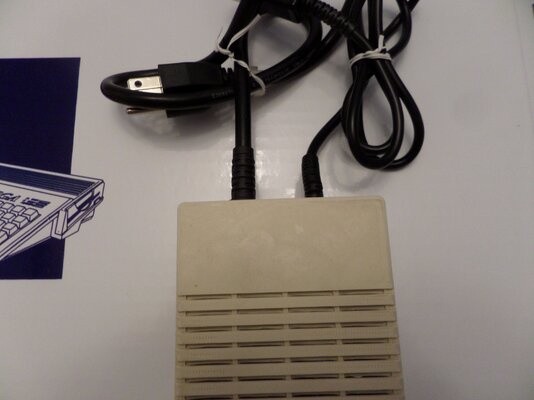
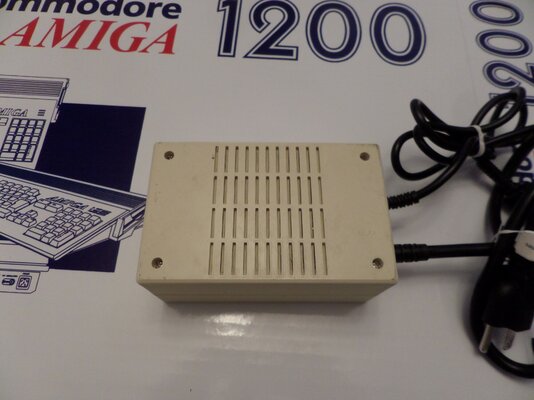
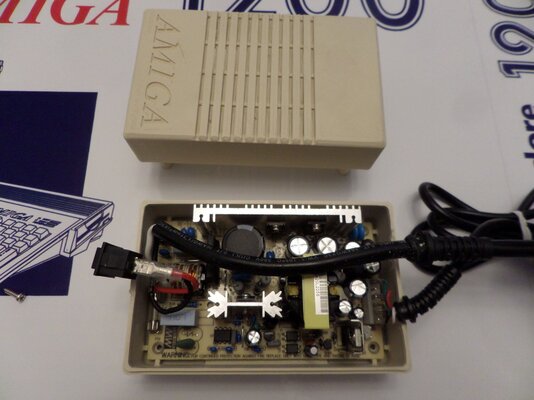
Photos:
 

Attachments

  • 1747232042302.jpeg
    1747232042302.jpeg
    282 KB · Views: 15
  • SAM_7144.JPG
    SAM_7144.JPG
    256.3 KB · Views: 13
  • SAM_7145.JPG
    SAM_7145.JPG
    229.8 KB · Views: 8
  • SAM_7146.JPG
    SAM_7146.JPG
    271.2 KB · Views: 12
  • SAM_7147.JPG
    SAM_7147.JPG
    298.5 KB · Views: 19
  • SAM_7148.JPG
    SAM_7148.JPG
    286.1 KB · Views: 14
  • SAM_7149.JPG
    SAM_7149.JPG
    256 KB · Views: 14
  • SAM_7150.JPG
    SAM_7150.JPG
    282 KB · Views: 12
Wow that's a clean work.
Where's the DC-DC converter?
Not included. It gave sub-par voltages, would have had to have been shrink-wrapped, and there was no convenient location to glue it.
 

Attachments

  • SAM_7151.JPG
    SAM_7151.JPG
    227.1 KB · Views: 10
The "EN" (Enable) pin on a buck DC-DC converter is a digital control input that determines whether the converter is on or off.

  • Function:
    • When the EN pin is driven high (logic high voltage), the buck converter is enabled and begins regulating the output voltage.
    • When the EN pin is driven low (logic low voltage), the converter is disabled and stops switching, typically reducing its current consumption to a minimum
  • Use Cases:
    • The EN pin allows external circuits (like a microcontroller or a manual switch) to control when the converter is active, which is especially useful in battery-powered designs to save energy by turning off the converter when not needed
    • In some modules, leaving EN unconnected will default to enabled due to an internal pull-up resistor, but it’s generally best practice to tie it explicitly high or low as needed
  • Implementation:
    • EN can be connected directly to the input voltage (VIN) for always-on operation, or controlled by a logic signal for on/off control
 
Back
Top Bottom